Acidity Regulators: A Culinary Perspective
Nov 21, 2026

Written by
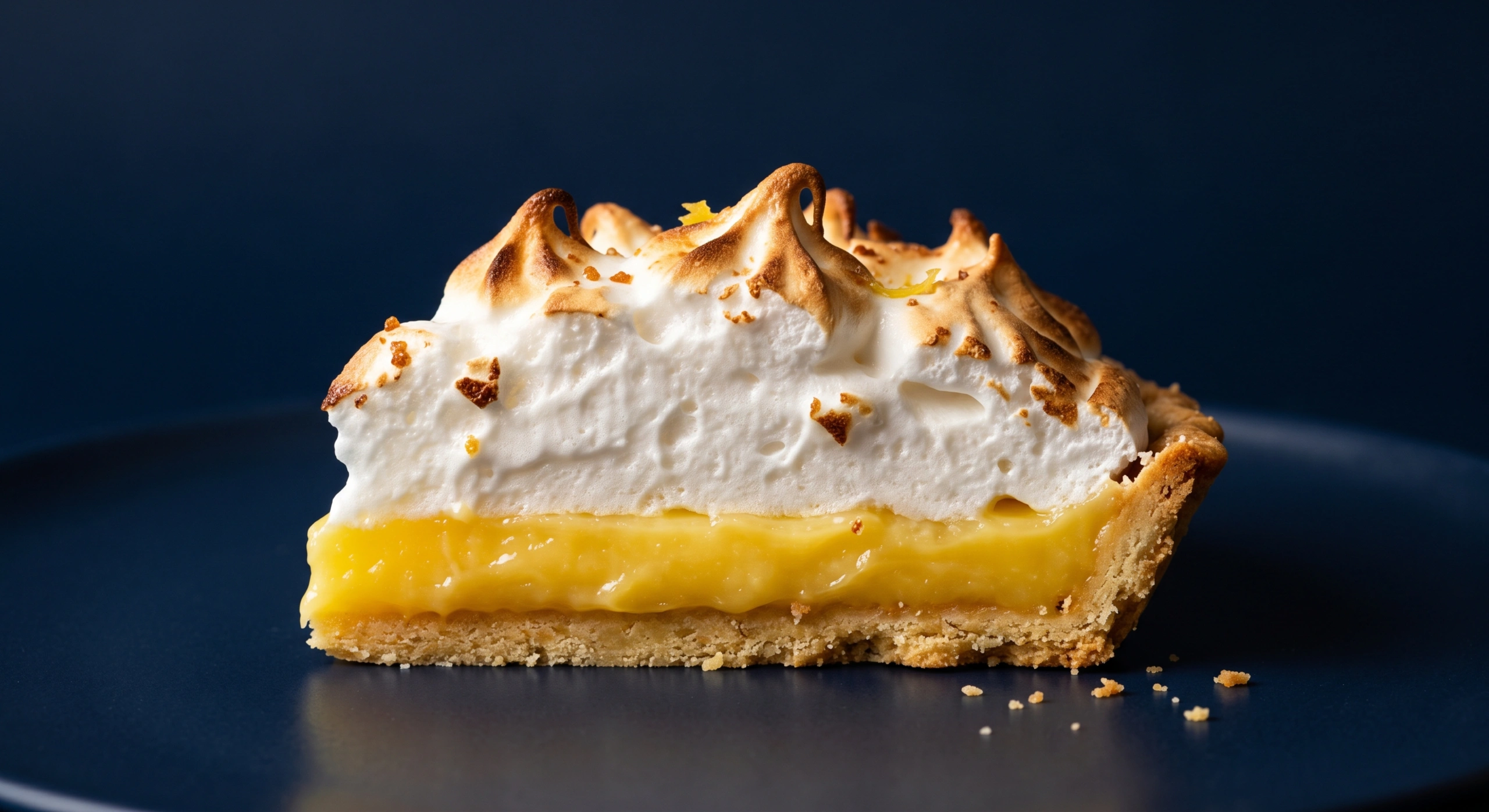
Simon LovedayMy father-in-law’s meringues are simply divine, and one of his secrets is using an acidity regulator in the recipe. After partially beating the egg whites with half the sugar, he adds vanilla essence and a teaspoon of vinegar.
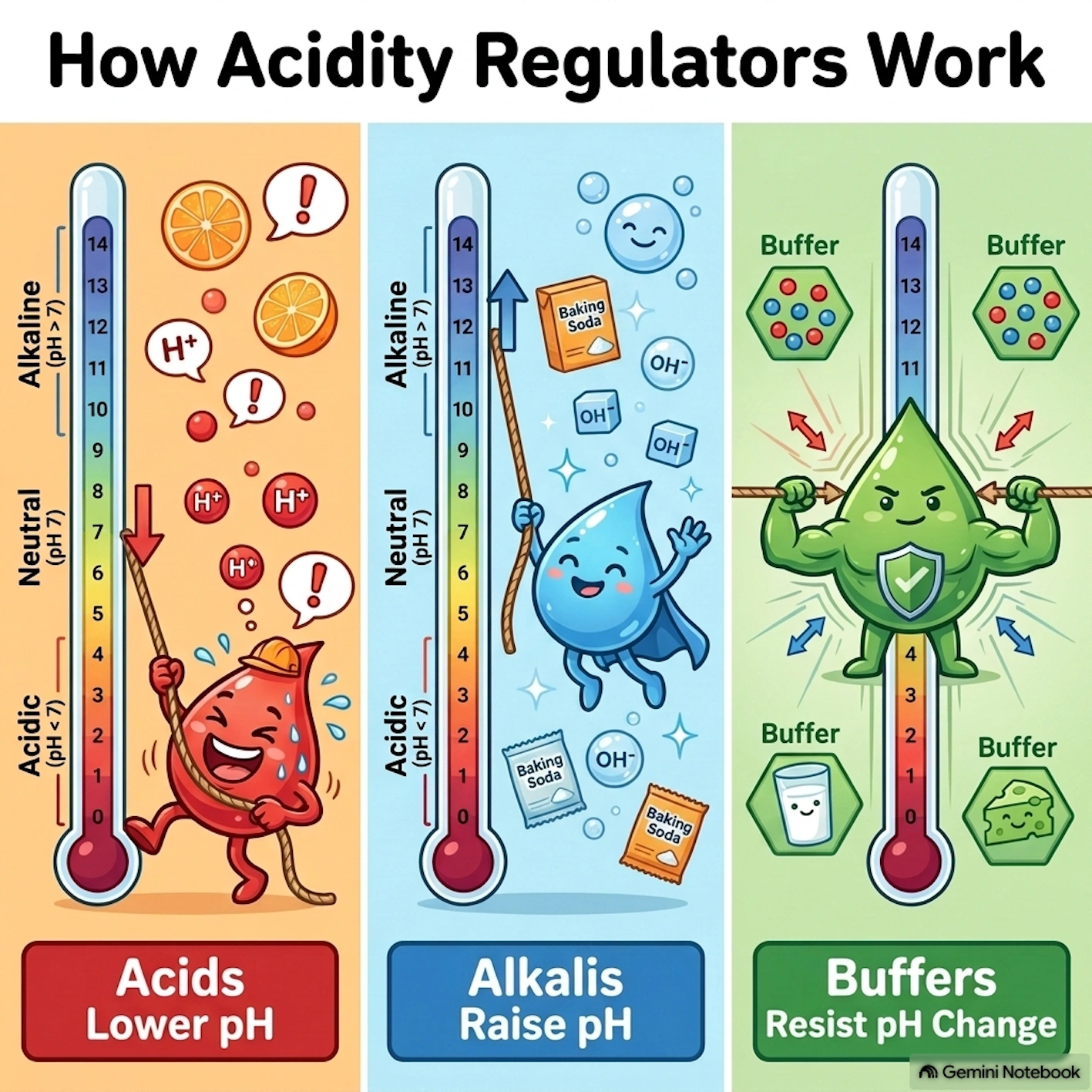
Hang on, vinegar isn’t the same as an acidity regulator… or is it? Acidity regulators are ingredients that “control the acidity or alkalinity of a food” (link). Sometimes they’re called ‘pH control agents’, which amounts to the same thing since pH is a way of measuring acidity or alkalinity. The vinegar in a meringue recipe contains acetic acid, which destabilises egg white proteins so that they open up, unfold and stick to the surface of air bubbles better, just like a good foaming agent should. So yes, vinegar is an acidity regulator or pH control agent.
source: tehzeebkazmii via Pixabay
Some acidity regulators are not acids, but alkalis, bases or buffers. Acids reduce pH, alkalis increase pH. Noodles and pasta are often made with alkalis like calcium carbonate to improve the ‘bite’. Pretzels are dipped in an alkaline solution before baking to create that distinctive brown, chewy crust. Formulated drinks often contain both acids and alkalis to get the ‘sourness’ just right, and to keep other ingredients nicely dissolved.

source: Alexas_photos via Pixabay
What about bases and buffers? It’s partly a trick question – all alkalis are bases, and the bases that aren’t alkaline (e.g. the ones that aren’t very soluble in water) aren’t typically used in food.
Buffers keep the pH on an even keel, a bit like ballast in a ship. That might mean keeping an acidic food acidic, keeping an alkaline food alkaline, or stopping a neutral pH food from becoming acidic or alkaline. Often buffers are there to keep shelf-stable food safe for weeks or months by maintaining pH in a zone where harmful bacteria stop growing. Foods in cans, bottles or pouches that you don’t need to refrigerate usually have acidity regulators in them
Botulism is sometimes associated with home-preserved vegetables and meat, which are not naturally acidic. It’s caused by a bacterial toxin, and can be fatal. Botulism bacteria are very heat-resistant, but they don’t grow in strongly acidic foods. So adding some vinegar, lemon juice, or citric acid before you boil your cans or bottles can get you into the ‘safe zone’ (pH below 4.6). Here are some resources to help you with safe home preserving: University of Georgia, University of Minnesota, Kansas State University.
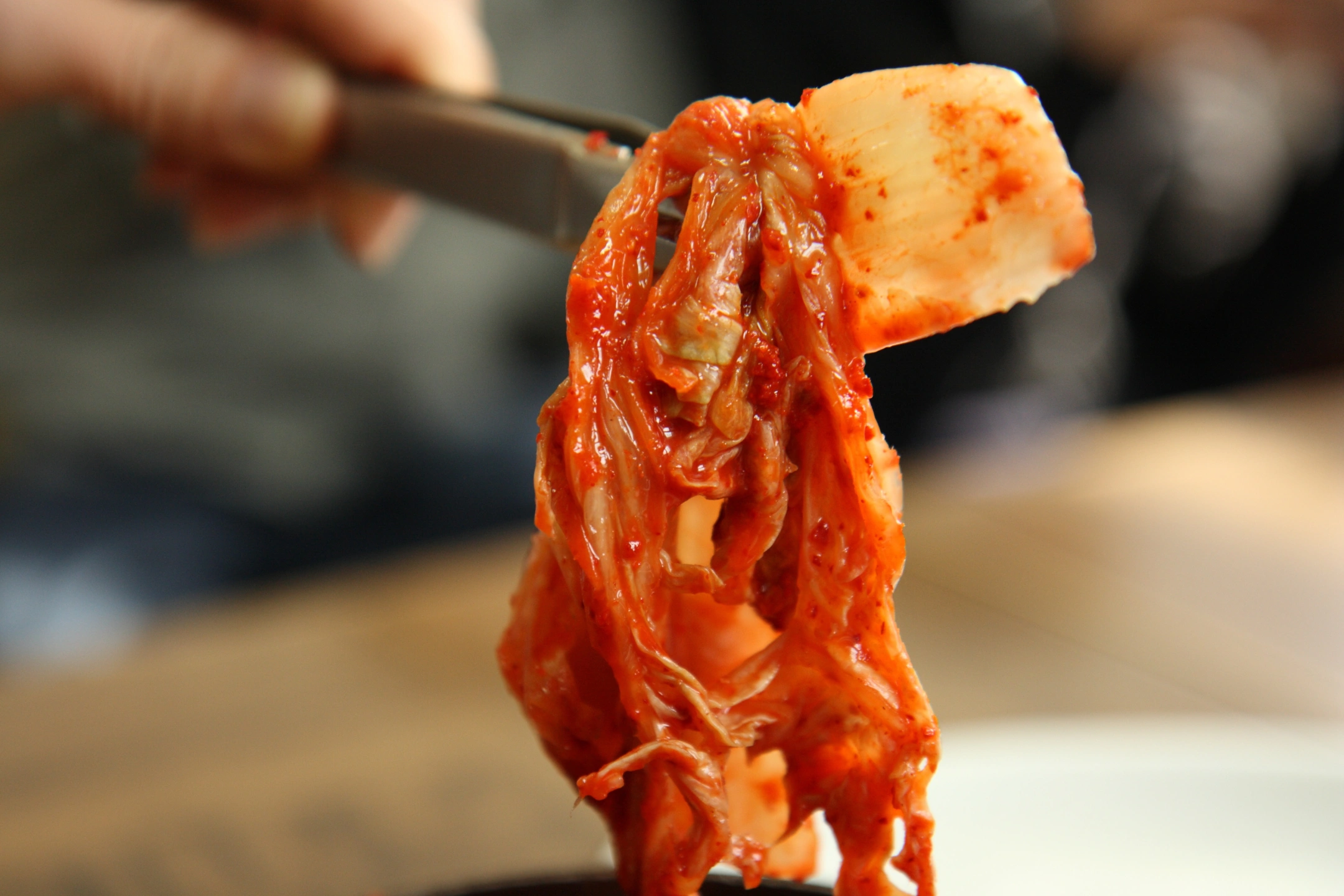
My wife makes kimchi, which relies on natural fermentation to acidify and buffer the pH. During fermentation the lactic acid ‘good’ bacteria make acids and buffers to ‘fight off’ less acid-tolerant bacteria. If a batch of kimchi isn’t fermenting fast enough, she sometimes adds a dash of vinegar to kick it into the safe zone, then pops it into the fridge.
So now you know what my father-in-law’s meringues have in common with my wife’s kimchi – acidity regulators! Also they are both delicious.
source: bourree via Pixabay